

Introduction: A Nation in Turmoil
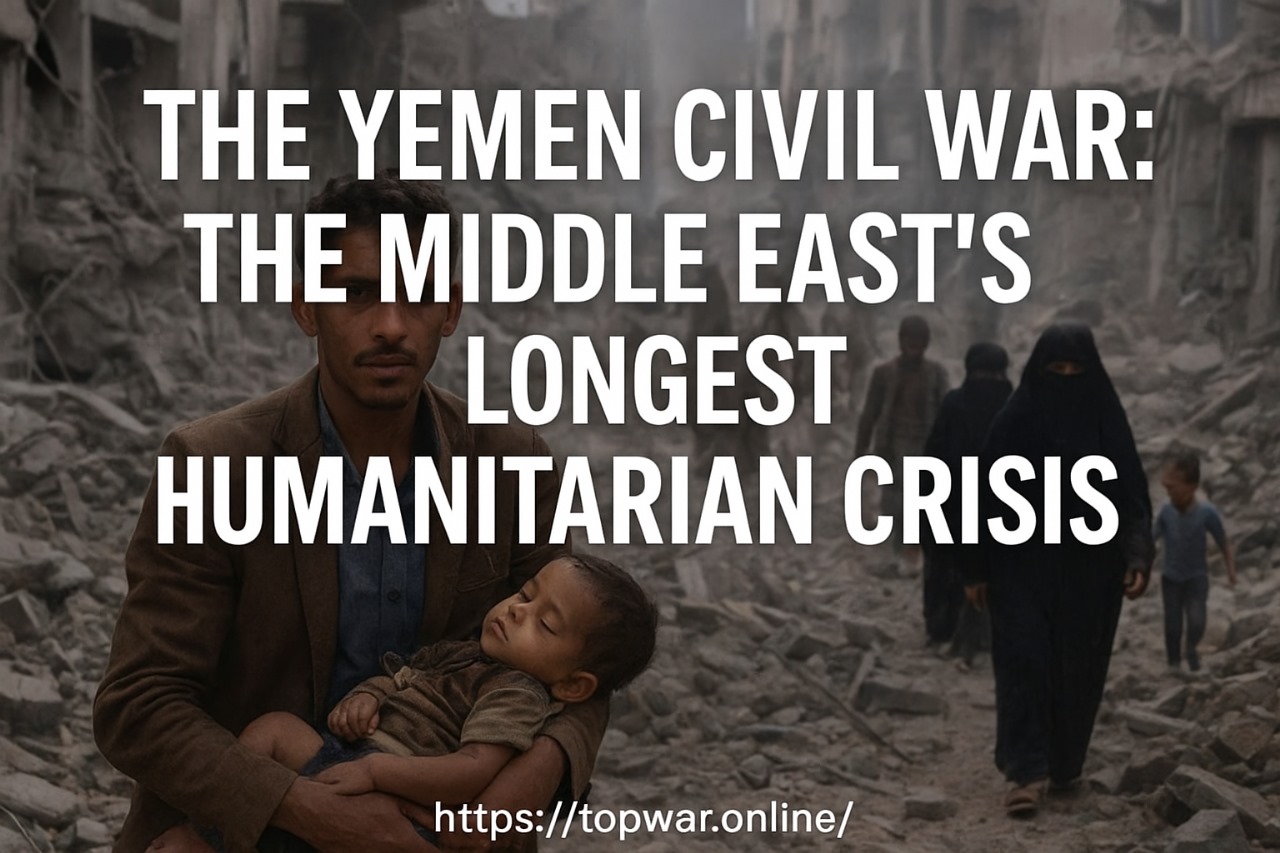
The Yemen Civil War, raging since 2014, represents one of the most devastating and protracted conflicts in the modern Middle East. Often described as a complex struggle with deep political, sectarian, and regional dimensions, this war has plunged Yemen into a humanitarian catastrophe. With tens of thousands of deaths, millions displaced, and widespread famine, Yemen stands as a grim testament to the human cost of political failure and regional power struggles. Unlike conflicts that attract brief international attention, Yemen’s war has persisted for nearly a decade, highlighting the difficulty of resolving entrenched disputes in a region defined by historical rivalries, foreign interventions, and internal fragmentation.
Historical Context: Yemen Before the War
To understand the Yemen Civil War, it is crucial to examine the country’s historical context. Yemen, located on the southern tip of the Arabian Peninsula, was historically divided into North Yemen and South Yemen, with the north influenced by tribal structures and the south experiencing socialist governance under British and later independent administration. The unification of Yemen in 1990 created a fragile state where tribal affiliations, regional differences, and political rivalries remained deeply entrenched.
Despite unification, Yemen struggled with economic instability, political corruption, and weak governance, particularly under the presidency of Ali Abdullah Saleh. These internal challenges created fertile ground for insurgent movements, while external influences, such as Saudi Arabia’s regional interests and Iran’s support for the Houthi rebels, added a dangerous layer of complexity to domestic tensions.
The Rise of the Houthi Movement
Central to the Yemen conflict is the Houthi movement, also known as Ansar Allah, originating in the northern Saada province. Predominantly Zaidi Shia Muslims, the Houthis initially emerged as a response to political marginalization, economic neglect, and perceived government corruption. Over time, the movement evolved into a formidable armed force, capable of challenging the Yemeni state and asserting influence across the country.
The Houthis’ rise coincided with the Arab Spring uprisings of 2011, which led to the resignation of President Saleh. The resulting political vacuum and fragile transitional government allowed the Houthis to expand their territory, ultimately capturing the capital, Sana’a, in 2014, setting the stage for full-scale civil war.
Causes of the Yemen Civil War
The Yemen Civil War is not a simple conflict; it is multi-layered, involving political, sectarian, economic, and regional factors:
- Political Instability: The collapse of central authority after Saleh’s departure created a power vacuum that rival factions sought to fill.
- Sectarian Tensions: While Yemen is predominantly Sunni, the northern Zaidi Shia minority has historically been marginalized, fueling Houthi grievances.
- Economic Hardship: Widespread poverty, unemployment, and unequal distribution of resources exacerbated discontent, particularly in underdeveloped regions.
- Foreign Intervention: Saudi Arabia, the UAE, and Iran have all played roles in supporting different factions, transforming a domestic struggle into a proxy war with regional implications.
These causes intertwined, ensuring that the conflict was not easily resolvable through negotiation or isolated military campaigns.
Timeline of the Conflict
The Yemen Civil War has evolved through multiple phases, each marked by shifting alliances and escalating violence:
1. 2014–2015: Houthi Takeover and Government Collapse
The Houthis captured Sana’a in late 2014, forcing President Abdrabbuh Mansur Hadi to flee. This sudden takeover signaled the collapse of the internationally recognized government and alarmed neighboring Saudi Arabia, which feared Houthi alignment with Iran.
2. 2015–2017: Saudi-led Coalition Intervention
In March 2015, Saudi Arabia led a coalition of Arab states to restore Hadi’s government, launching extensive airstrikes and imposing blockades. The coalition’s intervention intensified the conflict, resulting in widespread civilian casualties, destruction of infrastructure, and disruptions to food and medical supplies.
3. 2017–2019: Fragmentation and Proxy Escalation
By this phase, Yemen had effectively fragmented into multiple zones of control, including Houthi-held north, coalition-backed south, and territories under local militias. Iran’s support for the Houthis and Saudi Arabia’s backing of southern forces intensified the war, making any negotiated settlement increasingly elusive.
4. 2020–Present: Humanitarian Crisis Deepens
The ongoing conflict has created the world’s worst humanitarian crisis, with famine, disease outbreaks, and displacement affecting millions. Efforts to broker peace have repeatedly stalled, while the war continues to drain resources and devastate Yemen’s population.
Humanitarian Catastrophe
The humanitarian impact of the Yemen Civil War is staggering:
- Deaths and Casualties: Estimates suggest over 150,000 people have died, including thousands of civilians killed by airstrikes and crossfire.
- Displacement: More than 4 million Yemenis have been internally displaced, with millions seeking refuge abroad.
- Famine and Malnutrition: Nearly 17 million people face food insecurity, with widespread malnutrition affecting children and vulnerable populations.
- Disease Outbreaks: Cholera, diphtheria, and, more recently, COVID-19 have compounded the humanitarian emergency, overwhelming an already crippled health system.
The civilian population has borne the brunt of the conflict, highlighting the tragic consequences of modern warfare on vulnerable societies.
The Role of Foreign Powers
Foreign intervention has prolonged the Yemen Civil War and worsened its humanitarian toll:
- Saudi Arabia and the UAE: Leading the coalition, they aimed to restore Hadi’s government but have been criticized for indiscriminate airstrikes, civilian casualties, and blockade policies.
- Iran: Iran has provided support to the Houthis, including weapons, training, and political backing, intensifying the perception of Yemen as a regional proxy battlefield.
- United States and Western Countries: Often providing logistical, intelligence, and arms support to the coalition, these countries have faced scrutiny for enabling civilian harm indirectly.
The involvement of external actors has complicated peace efforts and entrenched divisions, making Yemen a critical example of the dangers of proxy wars in fragile states.
Economic and Social Collapse
The war has devastated Yemen’s economy, with GDP plummeting, unemployment soaring, and basic services disrupted. Schools, hospitals, and roads have been destroyed, while fuel shortages and inflation have made daily life nearly impossible for millions. Socially, Yemenis are facing a generation growing up amid violence, displacement, and insecurity, creating long-term challenges for reconciliation and nation-building.
Attempts at Peace and Ceasefires
Numerous peace initiatives, including UN-brokered talks in Stockholm and Geneva, have attempted to halt hostilities. However, these efforts have largely failed due to distrust between factions, continued foreign intervention, and the fragmented nature of control within Yemen. Temporary ceasefires have been repeatedly violated, highlighting the fragility of conflict resolution in deeply divided societies.
Long-Term Implications
The Yemen Civil War offers critical lessons for the Middle East and global policymakers:
- Protracted wars have intergenerational consequences: Children growing up in conflict zones suffer long-term trauma, malnutrition, and lost educational opportunities.
- Proxy conflicts exacerbate domestic disputes: External involvement often escalates violence rather than resolving it.
- Humanitarian crises require global attention: Yemen demonstrates the urgent need for coordinated international responses to war-induced famine, displacement, and disease.
- Peacebuilding is complex and multi-faceted: True reconciliation requires addressing political, sectarian, and economic inequalities simultaneously.
Conclusion: Yemen at a Crossroads
The Yemen Civil War is more than a military conflict; it is a humanitarian catastrophe, a political failure, and a regional power struggle all at once. As the war drags into its second decade, the people of Yemen continue to endure unimaginable suffering. While international efforts aim to broker peace, lasting stability will require inclusive governance, disarmament of militias, and significant reconstruction efforts. Yemen’s story is a stark reminder of the human cost of unresolved political conflicts and regional rivalries, underscoring the urgent need for global attention and compassionate action.